
Game Introduction_03 - Economy, Resources, and Trade in Epochia
In Epochia, power is not built by armies alone. Behind every expansion, every conflict, and every diplomatic move stands a living economy shaped by player decisions. Resources, the market, and trading form the backbone of the game — creating constant tension between ambition, survival, and opportunity.
This is where strategy truly comes alive.
Resources: The Foundation of Every Decision
Resources in Epochia represent the lifeblood of your civilization. They are not just tools for growth — they are strategic levers that force players to make meaningful choices every round.
Different resources serve different purposes: some fuel expansion, others sustain armies, enable construction, or unlock long-term advantages. Importantly, each nation interacts with resources differently, thanks to distinct resource ratios that influence efficiency and priorities. What feels affordable for one nation may be a costly sacrifice for another.
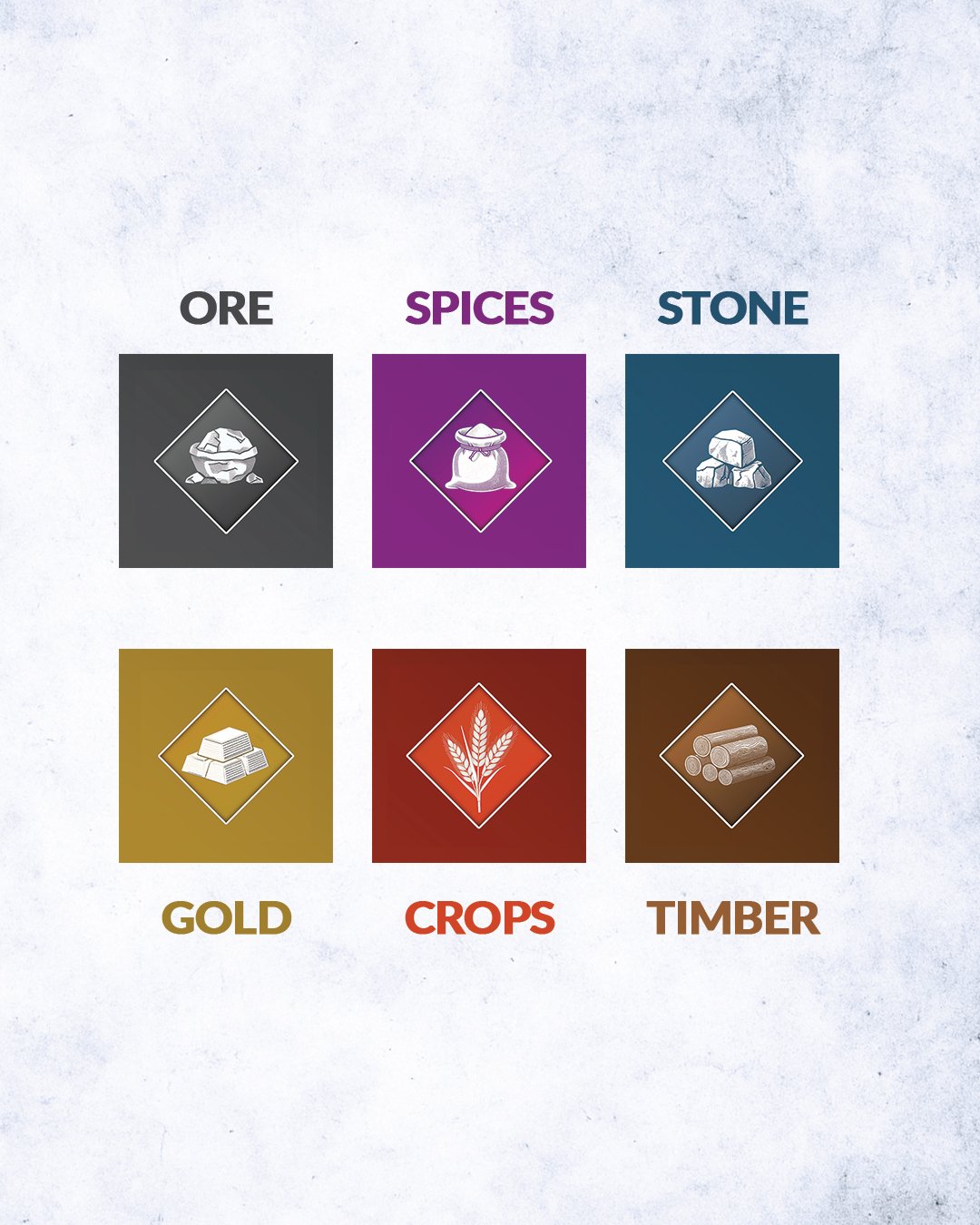
Crops – Sustains your people and allows you to recruit armies.
Ore – Represents military strength and is used to equip and raise armies.
Gold – Symbol of wealth and influence, used for major constructions and powerful investments.
Timber – Essential for building and expanding infrastructure, including vessels.
Stone – Used for durable construction, defenses, and landmarks.
Spices – A valuable trade resource that offers flexibility through exchange and conversion.
This design ensures that:
No strategy is universal
Every nation values resources differently
Every decision carries opportunity cost
Should you spend now to gain momentum, or save for what may come later?
The Market: A Shared Space of Opportunity and Risk
The market in Epochia is not a passive system — it is a dynamic, shared environment shaped by player actions. Accessing the market allows players to convert, exchange, or acquire resources based on availability and timing.
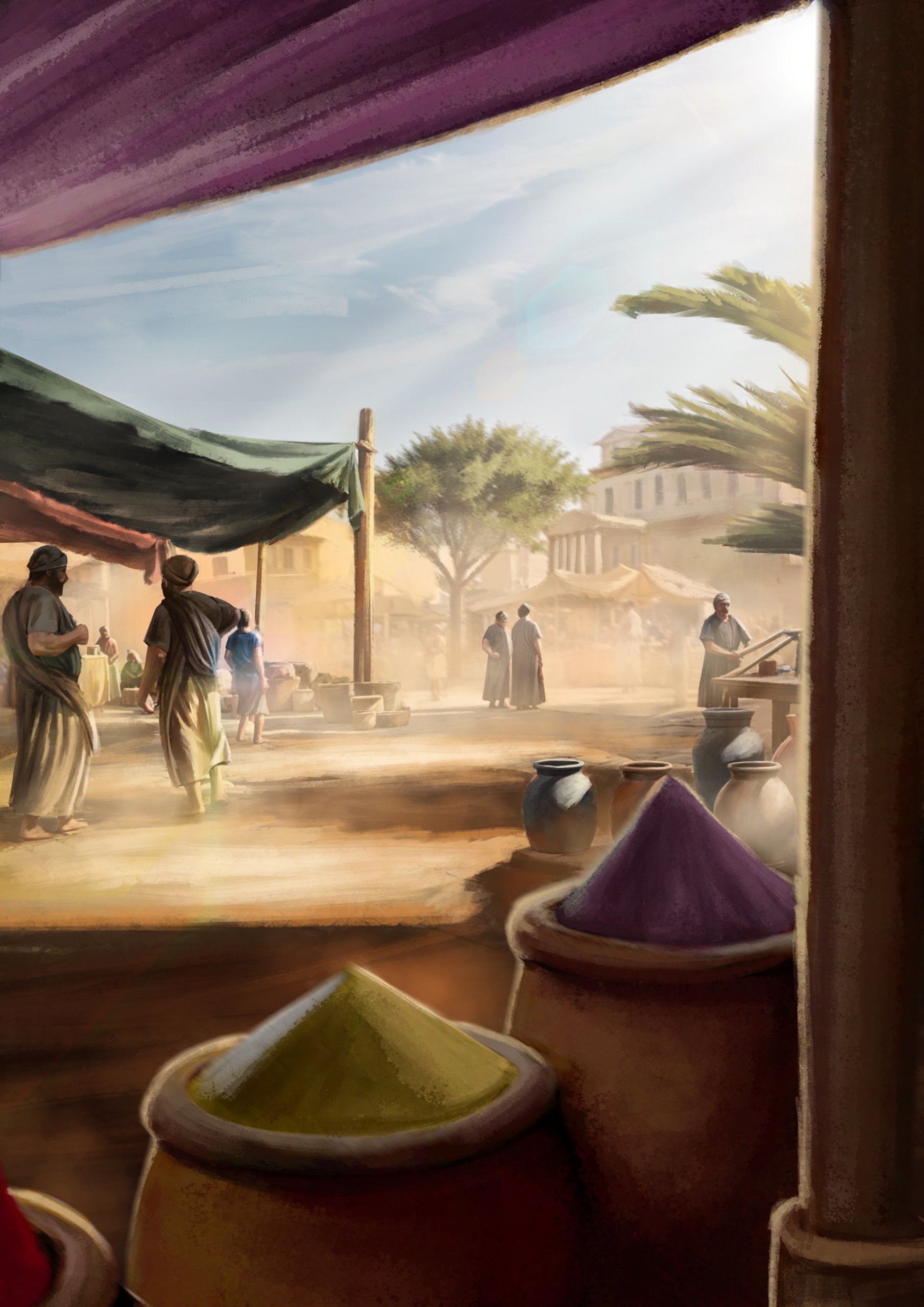
Because the market is shared, every interaction matters. A trade made by one player can limit options for another. Waiting too long may mean missing your chance, while acting too early can expose your strategy.
The market encourages:
Tactical timing
Reading opponents’ intentions
Adaptive planning rather than fixed paths
It is not just about what you need — but when you need it.
Trading: Diplomacy Beyond Words
Trading in Epochia goes beyond simple exchange. It is an extension of diplomacy, influence, and negotiation. Whether facilitated through alliances or market interaction, trade allows players to:
Balance weaknesses
Accelerate specific strategies
Create temporary advantages
But trade always comes with consequences. Strengthening your economy may indirectly empower a rival, while refusing to trade can shift alliances or escalate tensions. In Epochia, every trade is a political act, even when no words are spoken.
Building, Recruiting, or Saving: No Easy Answers
At the heart of Epochia’s economy lies a constant dilemma:
Do you build to expand your presence and long-term power?
Do you recruit to protect yourself or threaten others?
Or do you save resources, preparing for uncertainty, disruption, or famine?
There is no optimal solution. The right choice depends on your nation, the board state, your rivals’ intentions, and your tolerance for risk. Epochia rewards players who can read the moment and adapt rather than follow rigid plans.
A Living System, Shaped by Players
The economy of Epochia is not a background mechanic — it is a living system, shaped by player ambition, fear, negotiation, and foresight. Mastering it does not mean memorizing rules, but understanding flow, timing, and consequence.
And this is only the beginning.
As players dive deeper, they will discover that in Epochia, true power belongs to those who know when to act — and when to wait.