
Game Introduction_02 - Meet the Nations of Epochia
In Epochia, players step into the age of legendary civilizations that shaped the ancient Mediterranean world. Each nation is inspired by real history and translated into distinct gameplay identities, offering unique strengths, special abilities, and iconic landmarks. There is no single correct way to win — your nation defines how you rise to power.
A core pillar of Epochia’s design is that each nation operates with different resource ratios. These ratios influence how efficiently nations convert their economy into progress, shaping strategic priorities and forcing meaningful trade-offs. As a result, decisions around growth, defense, and expansion feel different with every nation.
Whether you prefer diplomacy, military domination, long-term development, or strategic disruption, Epochia allows you to rewrite history through your decisions.
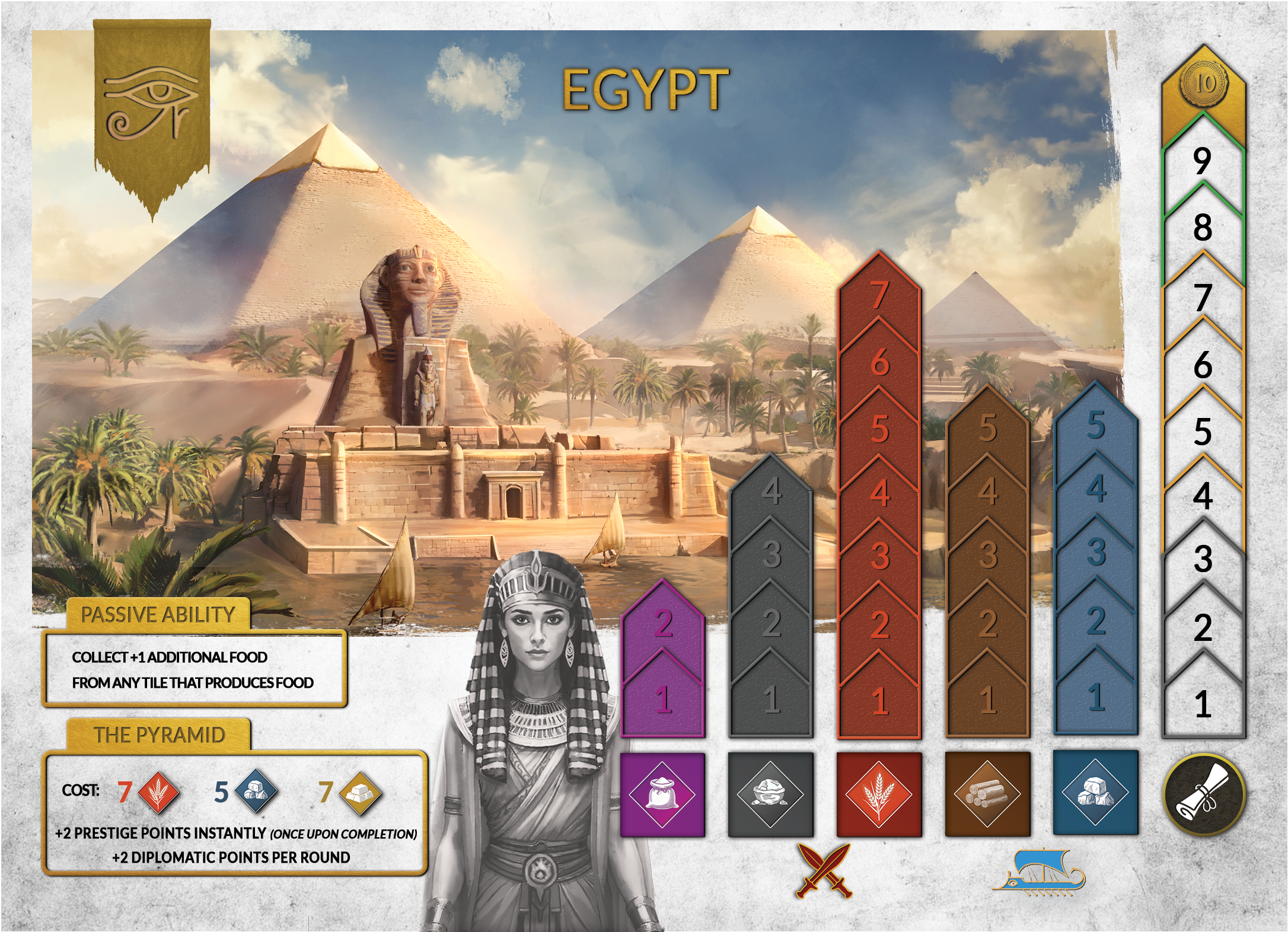
Egypt
In Epochia, Egypt rewards patient, methodical players who focus on steady growth and lasting advantages. Rather than sudden bursts of power, Egypt excels at building a foundation that becomes increasingly difficult to challenge over time.
Its legendary landmark, The Pyramids of Giza, reflects permanence and authority — a symbol of power that endures through the ages.
Best for players who prefer: long-term strategy, stability, and gradual supremacy.
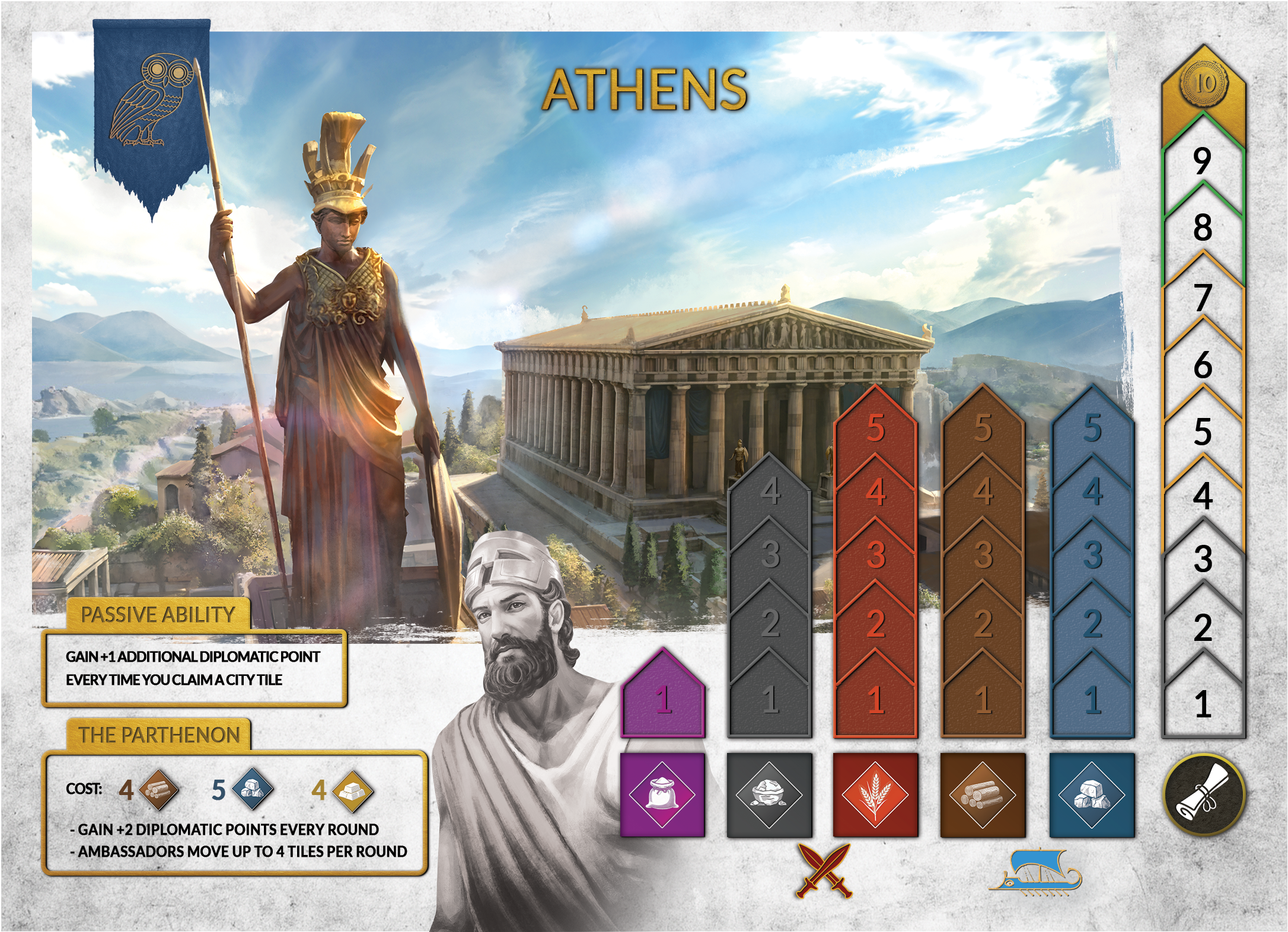
Athens
Athens favors players who enjoy calculated expansion, diplomacy, and long-term influence. Its abilities reward thoughtful positioning and the smart claiming of key locations. Athens is not about rushing conflict — it is about shaping the game through presence and prestige.
The nation’s landmark, The Parthenon, embodies cultural dominance and enduring legacy. Once established, it reinforces Athens’ role as a center of influence and refined power.
Best for players who prefer: strategic planning, diplomacy, and winning through influence rather than warfare.
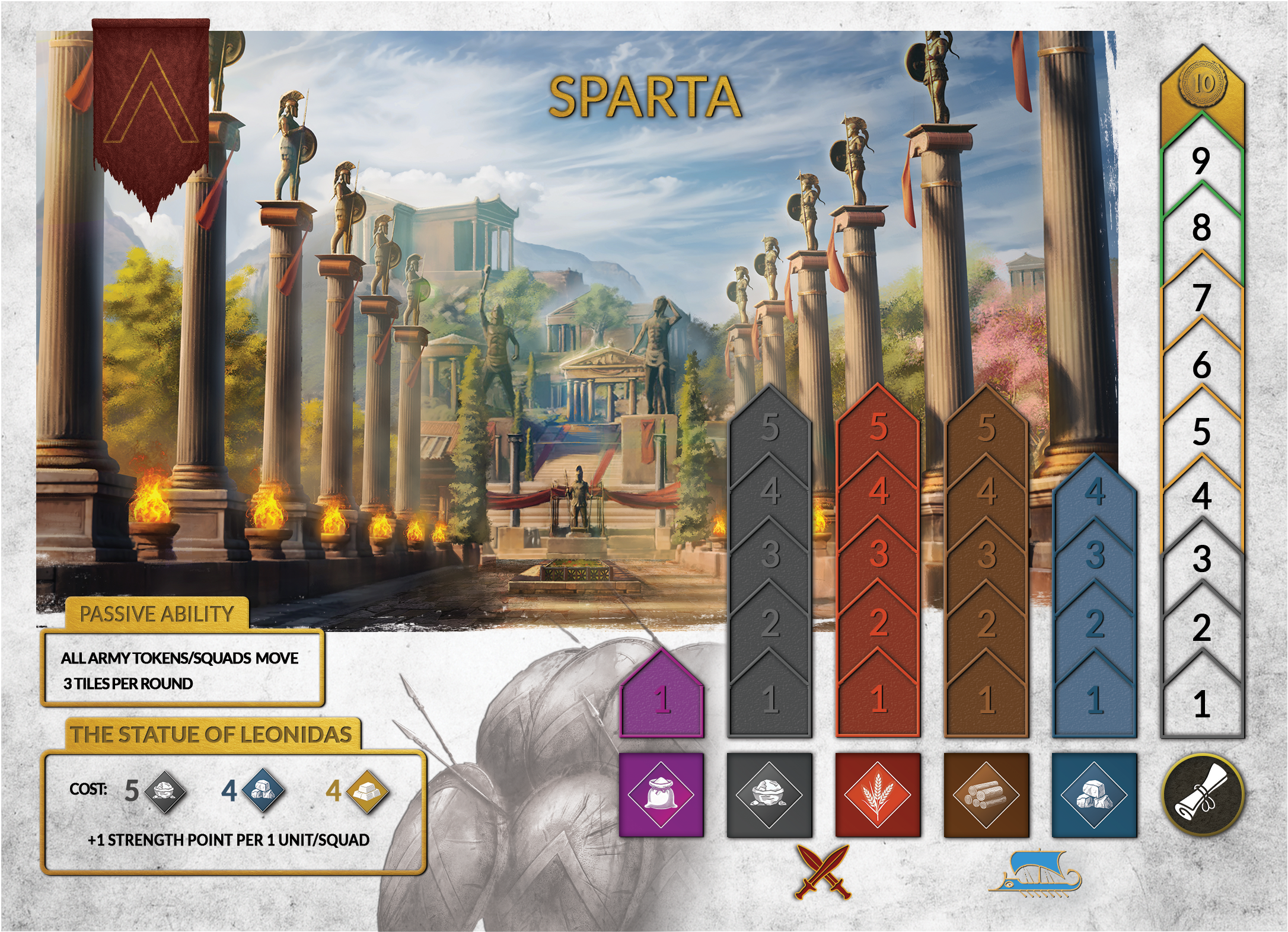
Sparta
In Epochia, Sparta is the embodiment of direct confrontation and battlefield superiority. It thrives on pressure, tactical positioning, and decisive action. Players choosing Sparta are encouraged to engage early and assert dominance through force.
The iconic Statue of Leonidas stands as Sparta’s landmark, symbolizing unbreakable resolve and battlefield leadership.
Best for players who prefer: aggressive play, tactical battles, and commanding respect through strength.
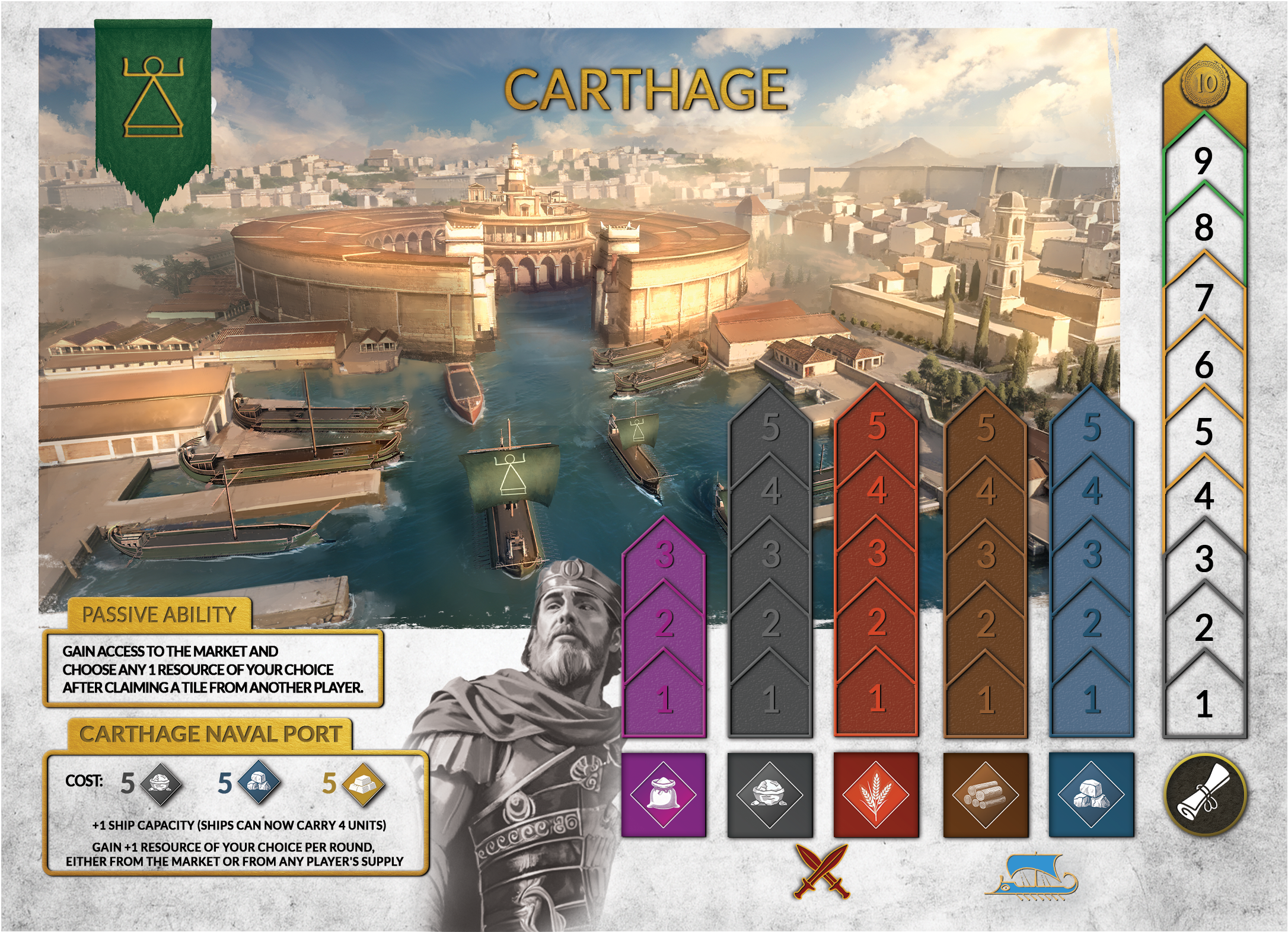
Carthage
Carthage thrives on opportunity and momentum. It benefits from turning conflict into advantage and adapting quickly to changing circumstances. Carthage players are rewarded for smart timing and exploiting openings created by others.
The Carthage Naval Port serves as its landmark, highlighting naval dominance and logistical mastery.
Best for players who prefer: flexible strategies, opportunistic expansion, and tactical exploitation.
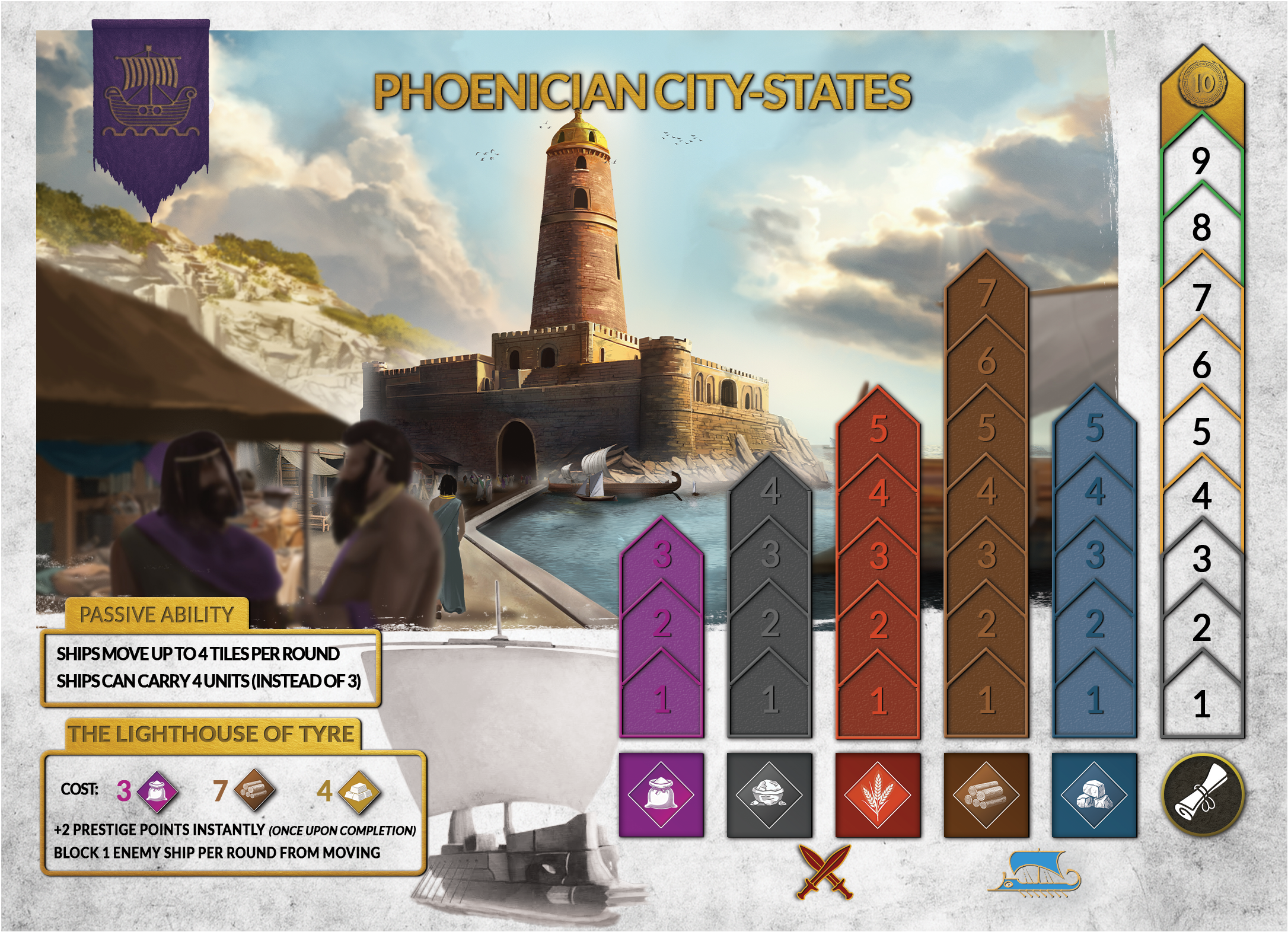
Phoenicia
Phoenicia focuses on mobility, positioning, and disruption. Mastery of movement allows Phoenician players to influence the game in subtle but powerful ways, shaping interactions across the map without relying solely on force.
Their landmark, The Lighthouse of Tyre, symbolizes navigation, control, and strategic oversight of the seas.
Best for players who prefer: speed, clever positioning, and indirect control.
In the next article, we will dive deeper into Epochia’s economy — exploring the different types of resources, how the market functions, and the role of trading and building in shaping your civilization. We will break down how economic choices influence long-term strategy, when to invest, when to trade, and how smart construction decisions can define the rise or fall of an empire. Understanding the economy is key to mastering Epochia, and next time, we will uncover how every resource and every trade truly matters.